
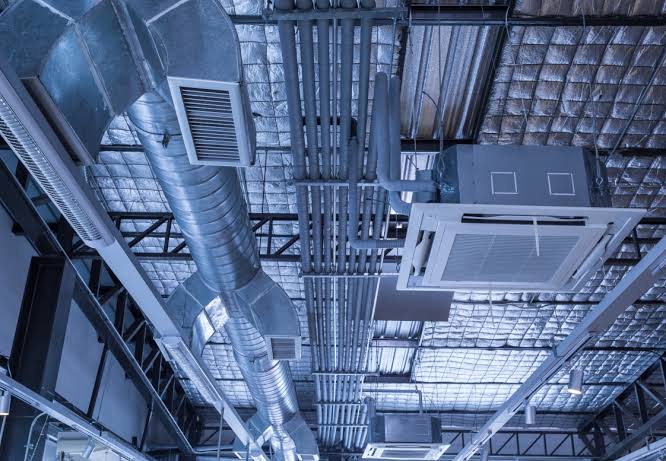
Commercial HVAC contractors across North America, Europe, and Asia are reporting a significant increase in demand for preventive maintenance programs as building owners seek to reduce costly system failures during periods of elevated cooling demand.
The trend comes as facility managers face mounting pressure to improve energy efficiency, extend equipment lifespan, and avoid unexpected downtime in office buildings, manufacturing facilities, educational institutions, healthcare centers, and retail properties.
According to industry professionals, preventive maintenance contracts are becoming a strategic investment rather than an operational afterthought. Historically, many property owners adopted a reactive approach to HVAC maintenance, addressing issues only after equipment failures occurred. However, recent increases in energy costs and labor expenses have altered the economics of building operations.
“Building owners are beginning to recognize that a single compressor failure during peak cooling season can cost significantly more than several years of scheduled maintenance,” said one commercial service provider operating across multiple metropolitan markets.
Industry data suggests that deferred maintenance remains one of the leading causes of premature HVAC equipment replacement. Dirty condenser coils, clogged filters, worn belts, refrigerant leaks, and neglected electrical components can gradually reduce system efficiency while increasing the likelihood of unexpected breakdowns.
The issue has become more pronounced as commercial facilities operate HVAC systems for longer periods throughout the year. Rising global temperatures and increasingly frequent heat waves have increased cooling requirements across numerous regions, placing additional stress on existing infrastructure.
Facility managers are responding by implementing structured maintenance schedules that include seasonal inspections, performance testing, refrigerant checks, airflow analysis, vibration monitoring, and energy consumption reviews.
Many contractors report that customers are specifically requesting maintenance plans designed to improve operational visibility. These programs often incorporate digital monitoring tools that allow facility teams to track system performance in real time.
The adoption of connected HVAC technology has further accelerated this trend. Smart sensors can continuously monitor temperature differentials, pressure readings, motor performance, and energy usage patterns. When integrated with cloud-based management platforms, these systems can alert maintenance teams to developing issues before failures occur.
Predictive maintenance strategies are increasingly replacing traditional calendar-based servicing. Rather than performing maintenance at fixed intervals, building operators are utilizing equipment data to determine when components actually require attention.
Industry experts note that this approach not only reduces maintenance costs but also minimizes unnecessary service visits.
The labor shortage affecting the HVAC sector has also contributed to growing interest in preventive maintenance programs. Contractors continue to face challenges recruiting and retaining qualified technicians, making emergency service calls more expensive and difficult to schedule.
As a result, many facility managers view preventive maintenance as a method of securing predictable service availability while reducing exposure to labor market volatility.
Healthcare facilities have emerged as particularly active adopters of comprehensive maintenance programs. Hospitals and medical centers operate highly sensitive environments where temperature control and air quality directly impact patient care. For these organizations, HVAC downtime can create operational disruptions that extend far beyond repair costs.
Educational institutions are similarly expanding maintenance budgets. School districts and universities increasingly prioritize ventilation performance and indoor air quality following heightened awareness of airborne health concerns in recent years.
Manufacturing facilities represent another rapidly growing segment. Production environments often rely on precise temperature and humidity control to maintain product quality. Equipment failures can result in production stoppages, material waste, and delayed deliveries.
Financial considerations remain a primary driver behind the maintenance shift.
Industry consultants estimate that preventive maintenance can reduce emergency repair expenses by as much as 30 to 40 percent while extending equipment service life by several years. Additionally, properly maintained systems frequently operate with lower energy consumption, providing ongoing utility cost savings.
Energy efficiency has become particularly important as commercial electricity rates continue to rise in many markets. Even modest improvements in HVAC performance can generate substantial savings for large facilities operating extensive climate control systems.
The transition toward preventive maintenance is also influencing equipment purchasing decisions. Building owners increasingly favor HVAC systems that offer enhanced monitoring capabilities, easier service access, and integration with building automation platforms.
Manufacturers have responded by expanding product offerings that support remote diagnostics and predictive maintenance functionality.
Industry observers expect demand for maintenance programs to continue growing throughout 2026 and beyond. As facilities become more dependent on sophisticated HVAC infrastructure and energy management initiatives, maintenance is likely to remain a central component of long-term operational planning.
For contractors, the shift represents an opportunity to develop recurring service revenue while strengthening customer relationships. For building owners, preventive maintenance is increasingly viewed as an investment in reliability, efficiency, and asset protection rather than simply a routine operating expense.
As cooling requirements continue to rise globally, the emphasis on proactive HVAC management appears poised to become a defining trend across the commercial building sector.