
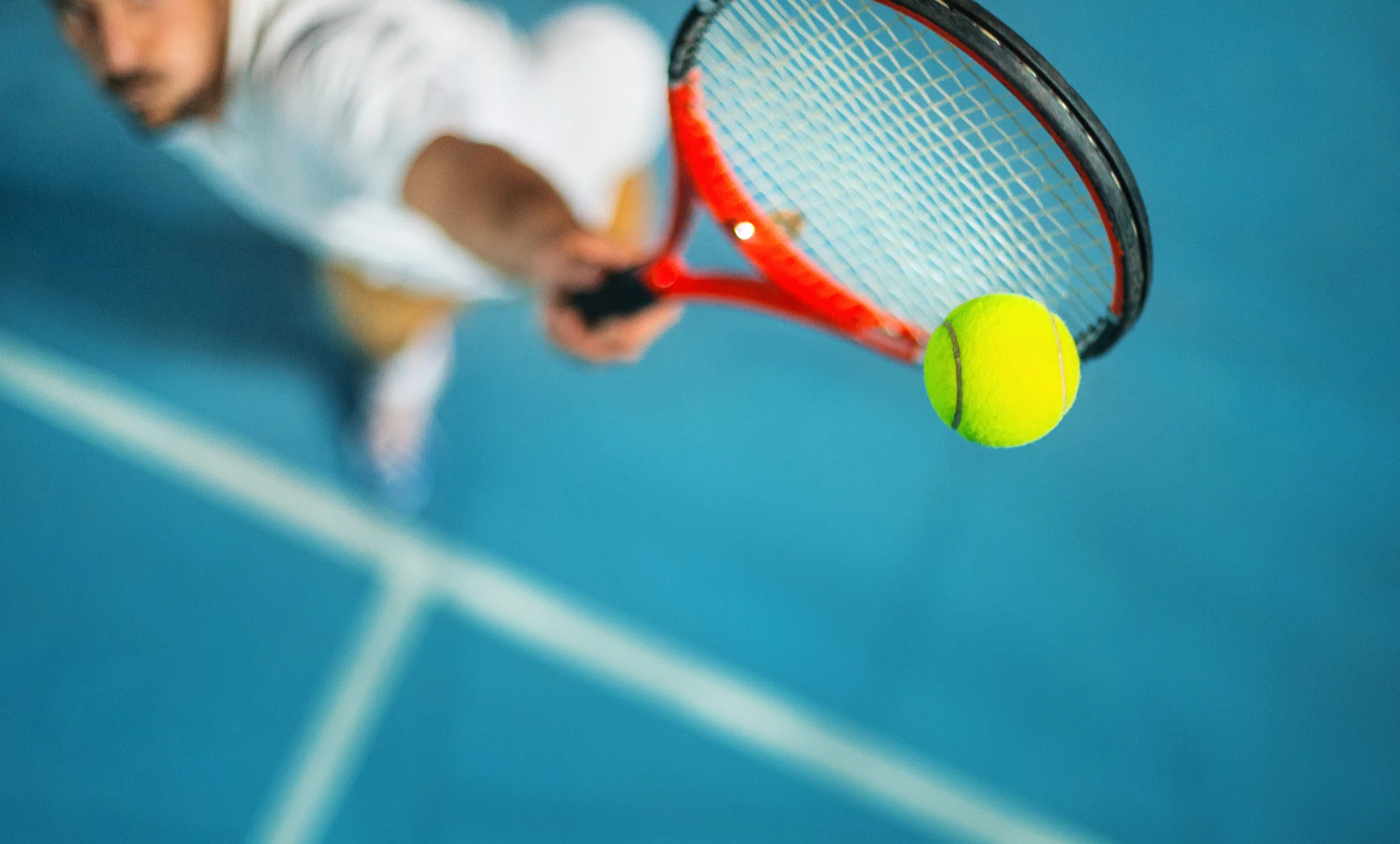
In a market dominated by global brands, Tennimax is taking a different approach: building high-performance tennis products for Indian players without the premium price tag. We sat down with founder Ravi Mandalia to discuss the company’s journey, the challenges of building a tennis brand in India, and why he believes the future of Indian tennis starts with accessibility.
Interviewer:
Tennis is a niche market compared to cricket in India. What inspired you to start Tennimax?
Ravi Mandalia:
I’ve always believed that tennis deserves far more attention in India than it currently receives. The sport teaches discipline, fitness, strategy, and resilience. Yet for many families, tennis remains expensive.
When you look at the total cost of playing—racquets, strings, grips, balls, coaching, court fees—it adds up quickly. I felt there was an opportunity to build a company that could provide serious tennis players with quality products at fair prices. That became the foundation of Tennimax.
Interviewer:
What gap did you see in the market?
Ravi Mandalia:
For years, Indian players had two choices. Either buy premium imported products at very high prices or settle for lower-quality alternatives.
We wanted to challenge that equation.
Our goal has been simple: offer performance products that players can trust while keeping pricing accessible. We believe players should pay for quality, not excessive branding or unnecessary markups.
Interviewer:
Tennimax has expanded beyond tennis balls into strings, grips, and accessories. Was that always part of the plan?
Ravi Mandalia:
Absolutely.
A tennis player doesn’t just buy one product. They need an ecosystem. A player may restring multiple times a year, replace grips regularly, and go through dozens of tennis balls.
We wanted to become a trusted partner throughout that journey. Every product category we enter must solve a genuine problem for players and deliver real value.
Interviewer:
Your recent content focuses heavily on education rather than direct selling. Why?
Ravi Mandalia:
Because informed players make better decisions.
Whether it’s choosing the correct string gauge, understanding tension, or selecting the right grip, equipment affects performance. Many players simply don’t receive enough guidance.
If we can educate players first, they’ll naturally make better equipment choices. Building trust is more important than making a quick sale.
Interviewer:
Speaking of strings, Tennimax recently discussed the differences between 1.25 mm and 1.30 mm gauges. Why do details like that matter?
Ravi Mandalia:
Those small details can have a surprisingly large impact.
A player developing heavy topspin may benefit from a thinner gauge, while someone prioritizing durability may prefer a thicker one. The right equipment should complement a player’s style rather than force them to adapt.
That’s the mindset we bring to product development: understanding how players actually play.
Interviewer:
What has been the biggest challenge in building a sports brand in India?
Ravi Mandalia:
Changing perceptions.
Many consumers automatically assume imported products are superior. Sometimes they are, but not always.
Indian companies can build excellent products when they focus on engineering, quality control, and player feedback. Building that trust takes time, consistency, and patience.
Interviewer:
What role does player feedback play in product development?
Ravi Mandalia:
It’s everything.
Players use our products in real-world conditions every day. They notice details that no laboratory test can fully capture. We listen carefully to coaches, competitive players, academy owners, and recreational athletes.
The best products are created through continuous improvement, not one-time design decisions.
Interviewer:
Where do you see Indian tennis heading over the next decade?
Ravi Mandalia:
I’m optimistic.
We’re seeing more academies, more junior participation, and greater awareness of fitness. Technology is also helping players learn faster than ever before.
The biggest opportunity is making the sport more affordable and accessible. If we can reduce barriers to entry, we’ll see significantly more participation at every level.
Interviewer:
What is your long-term vision for Tennimax?
Ravi Mandalia:
We want Tennimax to become a brand that Indian tennis players are proud to use.
Not because it’s Indian. Not because it’s affordable. But because it performs.
If a player walks onto the court with a Tennimax product and feels confident that it will compete with anything in the market, we’ve achieved our mission.
That’s the future we’re building toward—one player, one product, and one match at a time.