
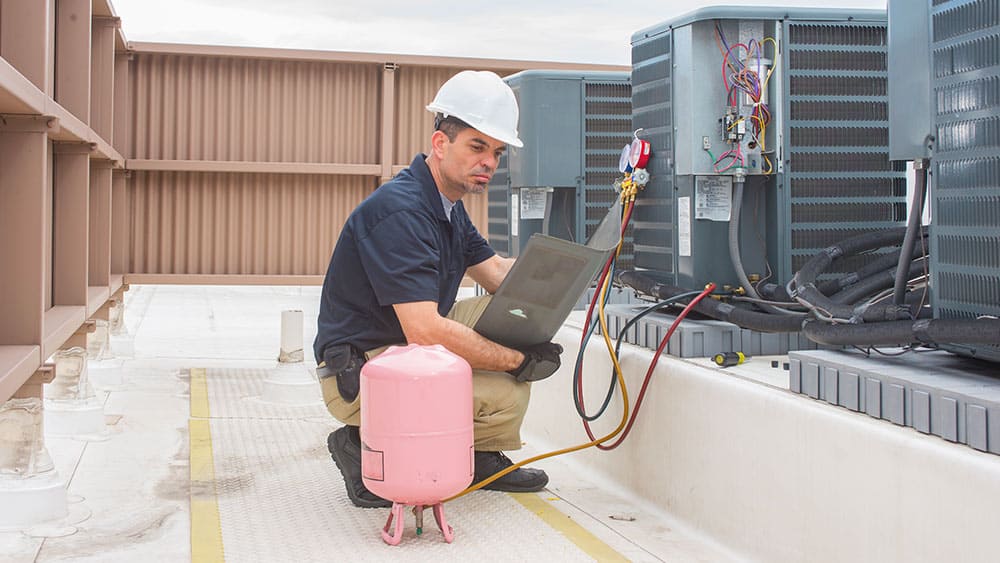
The HVAC industry is entering one of its most significant technology transitions in decades as manufacturers, contractors, distributors, and facility operators prepare for widespread adoption of next-generation refrigerants designed to reduce environmental impact while maintaining system performance.
Across residential, commercial, and industrial sectors, the movement away from higher-global-warming-potential refrigerants is reshaping equipment design, technician training requirements, supply chains, and purchasing decisions.
Industry stakeholders report that awareness surrounding refrigerant regulations has increased substantially over the past two years, with facility managers and property owners seeking clarity on future compliance requirements and equipment investment strategies.
The transition affects nearly every segment of the HVAC market. Manufacturers have accelerated development of systems optimized for lower-GWP refrigerants, while distributors are adapting inventory strategies to accommodate changing demand patterns.
Contractors, meanwhile, face the challenge of educating customers while ensuring their technicians receive specialized training for handling newer refrigerant blends.
Many of the next-generation refrigerants possess different operating characteristics compared to legacy products. As a result, installation practices, servicing procedures, storage requirements, and safety protocols are evolving throughout the industry.
According to industry experts, one of the largest challenges remains education rather than technology itself.
Many building owners remain uncertain about whether existing equipment can be retrofitted, when replacement becomes necessary, and how future regulations may impact operational costs.
Commercial facilities operating large cooling systems are particularly focused on long-term planning. Chillers, rooftop units, and specialized climate control systems often represent significant capital investments expected to remain operational for decades.
As regulatory frameworks continue to evolve, facility managers increasingly seek equipment solutions capable of balancing environmental goals with operational reliability.
Manufacturers have responded by introducing redesigned systems featuring enhanced efficiency, optimized heat transfer characteristics, and improved performance monitoring capabilities.
Several equipment producers report that demand for compliant systems has increased significantly among organizations pursuing sustainability initiatives and carbon reduction targets.
The refrigerant transition also intersects with broader energy-efficiency objectives.
New-generation systems frequently incorporate advanced controls, variable-speed technologies, and improved component designs that reduce overall energy consumption. For many organizations, environmental compliance and operational efficiency are becoming complementary rather than competing priorities.
Training has emerged as a major focus area throughout the sector.
Trade associations, technical colleges, equipment manufacturers, and large service organizations have expanded educational programs aimed at preparing technicians for evolving refrigerant requirements.
Industry leaders note that technician competency will play a critical role in ensuring safe installations and maintaining customer confidence during the transition period.
Distributors are similarly investing in workforce development initiatives. Many wholesalers have launched technical workshops and certification programs to help contractors navigate changing standards and equipment specifications.
Supply chain considerations remain another important factor.
Although production capacity for newer refrigerants continues to expand, stakeholders emphasize the importance of planning ahead to avoid disruptions as demand increases.
Industry analysts expect the transition process to continue over multiple years, creating opportunities for manufacturers, contractors, and service providers that successfully position themselves as trusted technical resources.
While challenges remain, many industry participants view the refrigerant transition as an opportunity to modernize infrastructure, improve efficiency, and strengthen environmental performance across the HVAC sector.
As adoption accelerates, organizations that proactively prepare for upcoming changes are expected to be best positioned to minimize disruptions and maximize long-term operational benefits.