
This summer was going to be demanding regardless. Then the data started coming in.
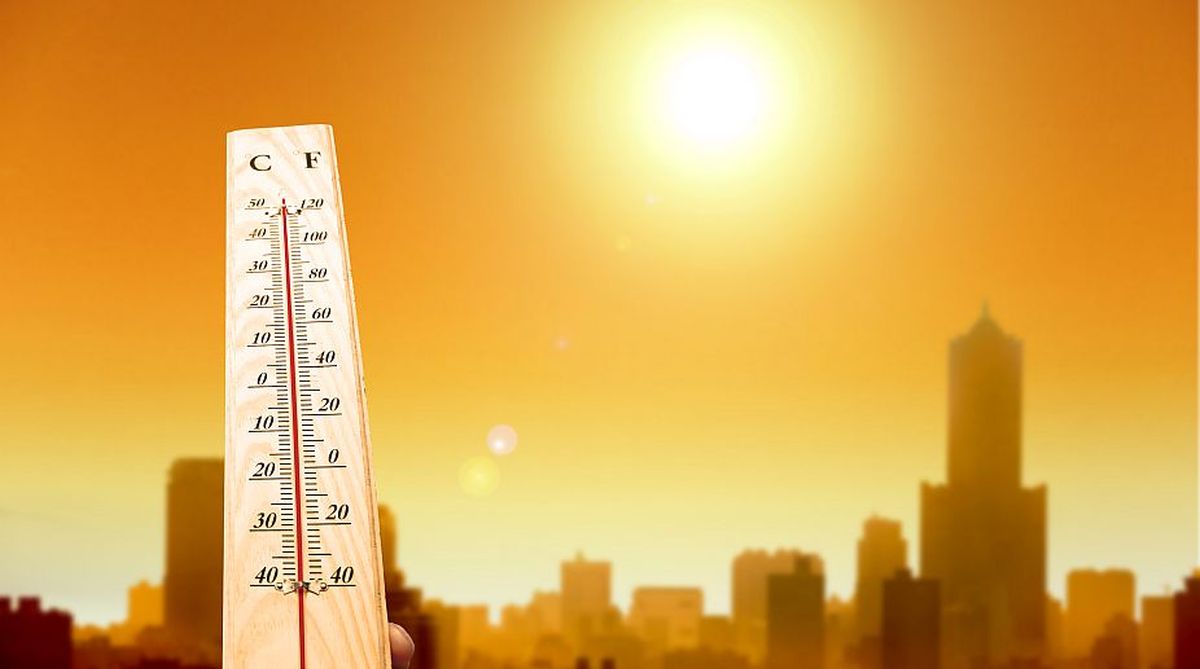
March 2026 was the hottest March in United States history — not by a little. It was the first time any month had exceeded the long-term average by more than 9 degrees Fahrenheit. Ten states broke their all-time March records. Phoenix hit 100 degrees nine days in a single month that is supposed to be spring.
NOAA’s Climate Prediction Center has since confirmed what those early numbers suggested: the summer of 2026 is forecasted to be hotter than normal, compounding the challenges of an ongoing global energy crisis, increased inflation, and overall economic instability. Meanwhile, 60 percent of the country is in drought. The western snowpack melted weeks ahead of schedule. Wildfire acreage in 2026 is already 231 percent of the ten-year average. And electricity prices are up 5 to 9 percent nationally, outpacing inflation for the fourth straight year.
For homeowners, this convergence of record heat, elevated electricity costs, and equipment stress arriving simultaneously is not an abstract concern. It is a practical problem that is already materializing in service backlogs, parts delays, and overbooked technician schedules across the country. Understanding what’s happening — and what to do about it — is the difference between a manageable summer and an emergency call at midnight with a three-day wait for service.
The Supply-Demand Crunch: Why This Summer Is Different
Most summers test HVAC systems. This one is testing them against a backdrop of structural constraints that weren’t present in previous years, and the combination is producing conditions more challenging than any single factor would create alone.
After a brutal 2025 — when residential cooling shipments routinely fell more than 25 percent year over year and, at times, nearly 50 percent — manufacturers are tempering expectations heading into 2026. Carrier CEO Dave Gitlin said the U.S. market exited 2025 well below its typical replacement pace. The practical consequence of that depressed replacement cycle: millions of households are entering the hottest projected summer in years with aging equipment that should have been replaced or serviced last year.
As many homeowners face the expiration of HVAC systems installed during the mid-2000s, 2026 is seeing a peak in HVAC system replacement demand. According to research by Carrier, 19 percent of homeowners are considering installing a new heating or air conditioning system in 2026, representing approximately 3.5 million HVAC units.
At the same time, there are not enough hands to answer demand. Not enough trucks. Not enough technicians. The industry is short approximately 110,000 technicians nationally, a gap that was already straining service capacity before summer demand arrived. When that demand spikes simultaneously across an entire region during a heat wave, contractors fill their schedules within hours. Households that haven’t already scheduled maintenance are waiting.
Some regions have already reported record-breaking electricity consumption during the summer of 2026, forcing utilities to manage peak loads carefully to avoid outages. In Texas — historically the most stressed grid in the continental U.S. during extreme heat — high demand for electricity during summer can sometimes strain the grid, leading to localized outages.
This is the context homeowners are navigating as of June 2026: record-projected heat, peak equipment replacement demand, a technician shortage that limits service availability, elevated electricity prices, and aging systems entering their highest-stress operating period.
What This Means Practically for Your Home
The operational stakes of HVAC failure in extreme heat are not merely inconvenience. Extreme heat can have serious consequences for public health. The human body relies on sweating and circulation to regulate temperature, but prolonged exposure to excessive heat can overwhelm these natural cooling mechanisms. For elderly household members, infants, and people with cardiovascular or respiratory conditions, a failing air conditioner in a 105-degree heat wave is a medical situation, not a discomfort situation.
For the equipment itself, extreme heat is also the highest-stress operating condition. Compressors running near capacity at ambient temperatures of 100°F or above are working harder than they were designed to sustain continuously. A system that has been running for a decade, that may have a developing refrigerant issue flagged by gradual efficiency decline, or that hasn’t had its coils cleaned and its refrigerant charge verified this season, is at meaningfully higher risk of failure during a heat event than one that arrived at summer in good condition.
HVAC experts say rising parts costs and refrigerant changes could make cooling your home more expensive this summer due to a combination of inflation, labor shortages, rising material costs, and changes to refrigerants used in air conditioning systems. Emergency service calls — which carry substantial labor premiums over standard appointments — are the most expensive way to address a system failure, and they’re also the most likely to encounter the longest wait times during peak demand periods.
The Repair-vs-Replace Calculus in a Hot Summer
One of the strongest HVAC industry trends right now is the shift toward repair over replacement. High equipment costs, combined with an uncertain economy, have prompted homeowners to prioritize necessary fixes over full installations.
That preference is financially rational in many cases. A system that is seven years old, functioning adequately, and requiring a minor repair should generally be repaired. But the repair-over-replace instinct can lead to poor outcomes when applied to equipment that is genuinely near the end of its reliable service life.
The questions that matter for that assessment are the same in a hot summer as any other time, but the consequences of getting it wrong are amplified. How old is the system? Systems more than 15 years old are beyond their expected service life for many components. Has it required refrigerant recharging in the past few years? Refrigerant doesn’t deplete in normal operation — if it needs recharging, there’s a leak, and leaks in aging systems tend to worsen rather than resolve. Is the system struggling to maintain the set temperature on days that weren’t previously problematic? Declining capacity is one of the clearest signals of a system approaching failure.
Even though newer equipment looks more expensive than it was 10 years ago because of inflation, it will still save money on monthly bills, as HVAC professionals in the field note consistently. A system running at declining efficiency during a summer with 5 to 9 percent higher electricity prices is costing more than its purchase price suggests.
The timing consideration that matters most in summer 2026: if a system is going to be replaced, the worst time to make that decision is after it fails during a heat event. Lead times for equipment are longer than they were during the pre-transition R-410A era, installation schedules are compressed, and you’re negotiating from zero leverage with a non-functional system in 95-degree heat. A planned replacement during the summer, or better yet during fall shoulder season, is a fundamentally different transaction.
Grid Stress and Energy Management During Peak Heat
Air conditioning systems now consume nearly 7 percent of all electricity produced in the U.S., costing homeowners roughly $32 billion annually. During extreme heat events, that collective consumption concentrates into the afternoon and evening hours when demand peaks — the same hours when electricity rates are typically highest for households on time-of-use utility pricing.
The intersection of record heat and elevated electricity prices makes energy management during summer 2026 more financially consequential than in previous years. Several practical strategies reduce both cost and grid stress:
Pre-cooling before peak hours. AI thermostats that connect to hyper-local weather forecasts can lower indoor temperatures by one or two degrees during the cooler morning hours, giving the home a thermal buffer before peak afternoon heat arrives. This reduces compressor run time during the hottest, most grid-stressed hours. Households without a smart thermostat can achieve a similar effect manually by setting the thermostat lower before 10 AM and allowing the house to hold that temperature as outdoor temperatures climb.
Ceiling fans change the felt temperature, not the actual temperature. A ceiling fan running counterclockwise (in summer mode) creates a wind-chill effect that makes a room feel three to four degrees cooler than the thermostat reads. This allows the thermostat setpoint to be raised by that same margin without loss of comfort — a direct reduction in compressor run time and electricity consumption.
Reduce solar heat gain. Closing blinds and curtains on south- and west-facing windows during afternoon hours dramatically reduces the heat load the air conditioner must overcome. In direct afternoon sun, an uncovered window can add the equivalent of a space heater’s output to a room’s thermal load.
Check and replace air filters. A clogged air filter is the single most common cause of reduced system airflow, which forces the system to run longer to achieve the same cooling effect and can cause the evaporator coil to freeze — producing a cascade of problems. One of the simplest ways homeowners can protect their HVAC systems is by regularly changing air filters and scheduling routine maintenance, which should be done every year. Most manufacturers require this yearly to maintain parts warranty.
What to Do Right Now
If a maintenance visit hasn’t happened yet this season, scheduling one is the highest-priority action a homeowner can take in June 2026. The objective isn’t to fix what’s broken — it’s to find what’s developing before it becomes a summer emergency. Coil cleaning, refrigerant charge verification, capacitor testing, drain line clearing, and blower performance assessment are the core items that distinguish a system capable of handling extreme heat from one that will fail during it.
Experts also recommend scheduling maintenance appointments early in the season, before extreme heat arrives and service calls increase. By June, the early window has passed for most markets — but scheduling now is still meaningfully better than scheduling after a failure event.
For households with systems that have already shown signs of struggle — taking longer to cool the house than previous summers, running almost continuously on moderate-temperature days, or making unusual noises during operation — the right conversation with an HVAC technician is not “can you keep this going” but “what is the realistic probability this system gets through the summer.” A technician’s honest assessment of that question, given current conditions, is information worth having before mid-July.
Summer 2026 is going to test home cooling systems across the country. The ones that get through it without incident are disproportionately the ones that went into it in verified condition.
To find a NATE-certified HVAC technician in your area for a pre-summer maintenance check, visit natex.org. For real-time heat health information and preparedness resources, visit heat.gov.