
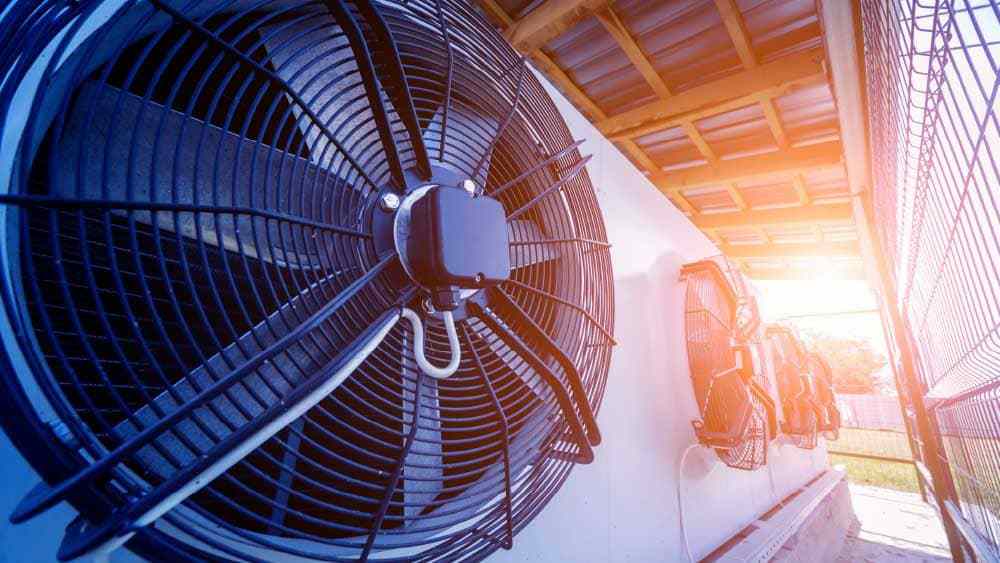
Manufacturing companies across multiple industries are increasing investment in advanced HVAC and environmental control systems as production processes become more sensitive to temperature, humidity, and air-quality fluctuations.
Industry experts report that climate control is increasingly viewed as a core production asset rather than a supporting facility function. As manufacturers pursue higher quality standards, automation initiatives, and operational efficiency goals, HVAC infrastructure is playing a larger role in overall plant performance.
The trend is particularly evident in sectors such as electronics, pharmaceuticals, food processing, medical device production, and advanced materials manufacturing.
Many modern production environments require highly stable conditions to ensure consistent product quality. Even minor environmental variations can affect material properties, production tolerances, and equipment performance.
Manufacturers are responding by deploying increasingly sophisticated HVAC systems capable of maintaining precise environmental parameters across large facilities.
Humidity control has emerged as a major focus area.
In electronics manufacturing, excessive moisture can impact component reliability and production yields. Conversely, environments that are too dry may increase the risk of electrostatic discharge, potentially damaging sensitive equipment and products.
Pharmaceutical production facilities face similarly strict environmental requirements. Regulatory standards often mandate tightly controlled conditions throughout manufacturing, packaging, and storage operations.
As a result, HVAC systems have become integral components of quality assurance programs.
Food processing facilities are also expanding climate-control investments to improve product consistency and support food-safety objectives.
Temperature management, ventilation performance, and contamination control all contribute to operational effectiveness within these environments.
Manufacturers increasingly seek integrated solutions that combine climate control with real-time monitoring capabilities.
Connected sensors allow facility managers to continuously track environmental conditions and respond rapidly to deviations. This visibility supports both operational efficiency and compliance requirements.
Energy efficiency remains an important consideration.
Industrial facilities often operate around the clock, making HVAC systems significant contributors to overall energy consumption. Advanced controls, variable-speed technologies, and heat-recovery systems are helping organizations reduce operating costs while maintaining performance standards.
Industry analysts expect demand for precision HVAC systems to continue growing as manufacturing processes become more technologically advanced and quality requirements become increasingly stringent.
For HVAC providers, industrial climate control represents a growing market segment where reliability, precision, and system integration capabilities are becoming key differentiators.