
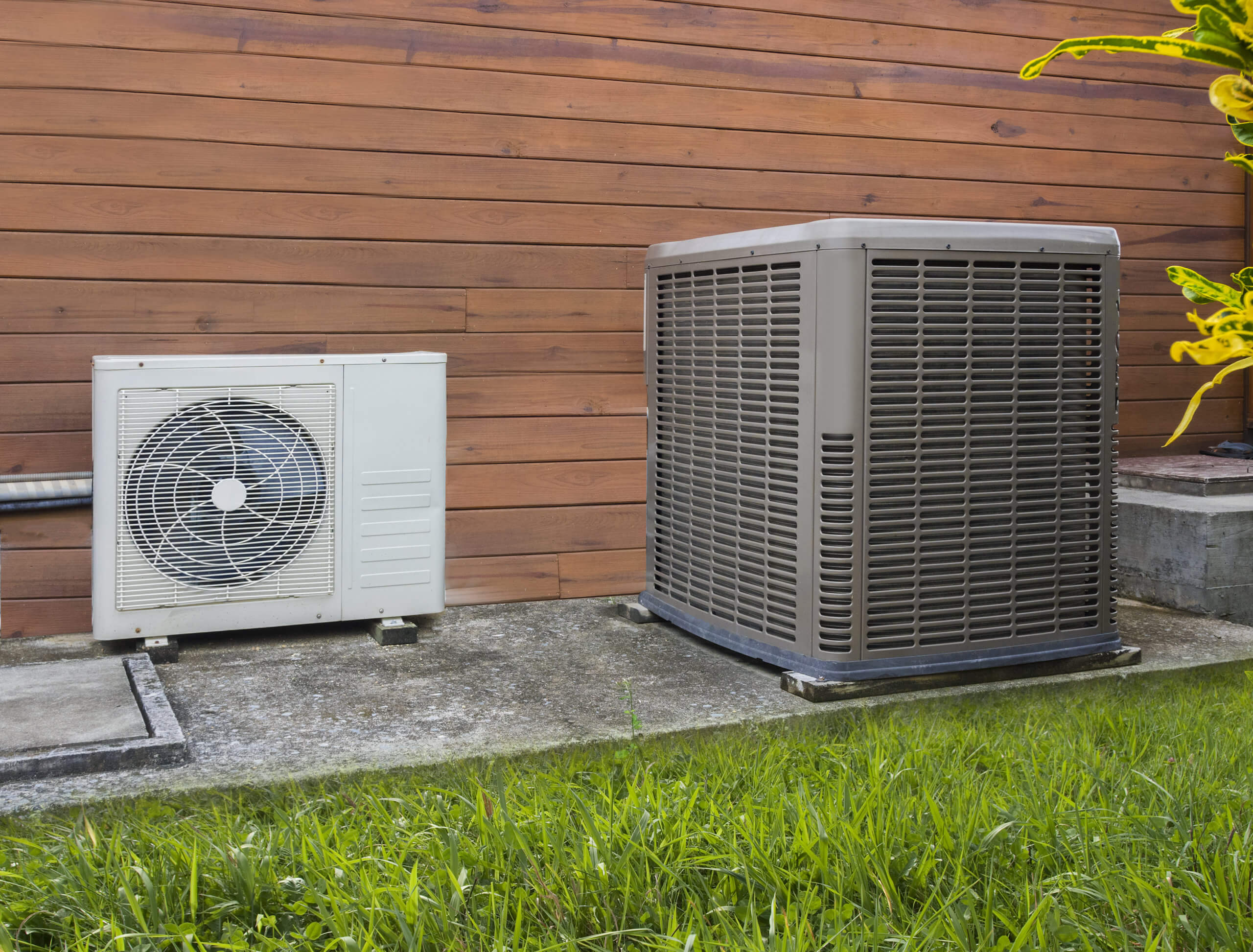
Heat pump technology continues to gain momentum across global HVAC markets as property owners, businesses, and policymakers increasingly pursue energy-efficient alternatives to conventional heating and cooling systems.
Industry observers describe the current market environment as one of sustained growth driven by technological improvements, electrification initiatives, and rising demand for lower-emission building solutions.
Historically associated primarily with moderate climates, modern heat pump systems are now demonstrating improved performance across a much wider range of operating conditions.
Manufacturers have invested heavily in research and development aimed at enhancing cold-weather capabilities, system efficiency, and overall reliability.
These advancements are expanding the potential applications for heat pump technology across both residential and commercial sectors.
Building owners are increasingly attracted by the ability of heat pumps to provide both heating and cooling within a single system.
This dual-function capability can simplify infrastructure requirements while improving energy performance compared to certain conventional alternatives.
Commercial applications are growing particularly rapidly.
Office buildings, schools, healthcare facilities, hotels, and multifamily developments are incorporating heat pump technologies into both new construction and retrofit projects.
Many organizations view electrification as a long-term strategy for reducing operational emissions and improving sustainability performance.
Heat pumps are frequently positioned as a key enabling technology within these broader initiatives.
Energy efficiency remains one of the strongest adoption drivers.
Because heat pumps transfer heat rather than generating it through combustion, they can achieve high levels of operational efficiency under appropriate conditions.
Facility managers report increasing interest in lifecycle cost analyses that evaluate energy savings over extended operating periods rather than focusing solely on initial equipment costs.
Manufacturers continue expanding product portfolios to address diverse application requirements.
The market now includes air-source systems, water-source configurations, variable refrigerant flow solutions, and specialized commercial products designed for larger facilities.
Technology integration is also improving.
Modern heat pump systems increasingly incorporate smart controls, remote monitoring capabilities, predictive diagnostics, and compatibility with broader building-management platforms.
Contractors note that customer awareness has increased substantially in recent years.
Property owners are more familiar with heat pump technology than ever before and often include it among the options evaluated during major equipment replacement decisions.
Challenges remain, including installation complexity in certain applications, workforce training requirements, and regional variations in energy economics.
However, industry analysts generally expect adoption rates to continue increasing as equipment performance improves and electrification strategies gain momentum.
The growing role of heat pumps reflects broader changes occurring throughout the HVAC industry.
As building owners prioritize efficiency, sustainability, and operational flexibility, technologies capable of delivering multiple benefits simultaneously are attracting increasing attention.
For manufacturers, contractors, and facility operators, heat pumps are becoming an increasingly important component of the industry’s evolving technology landscape, helping shape the future of heating and cooling infrastructure worldwide.