
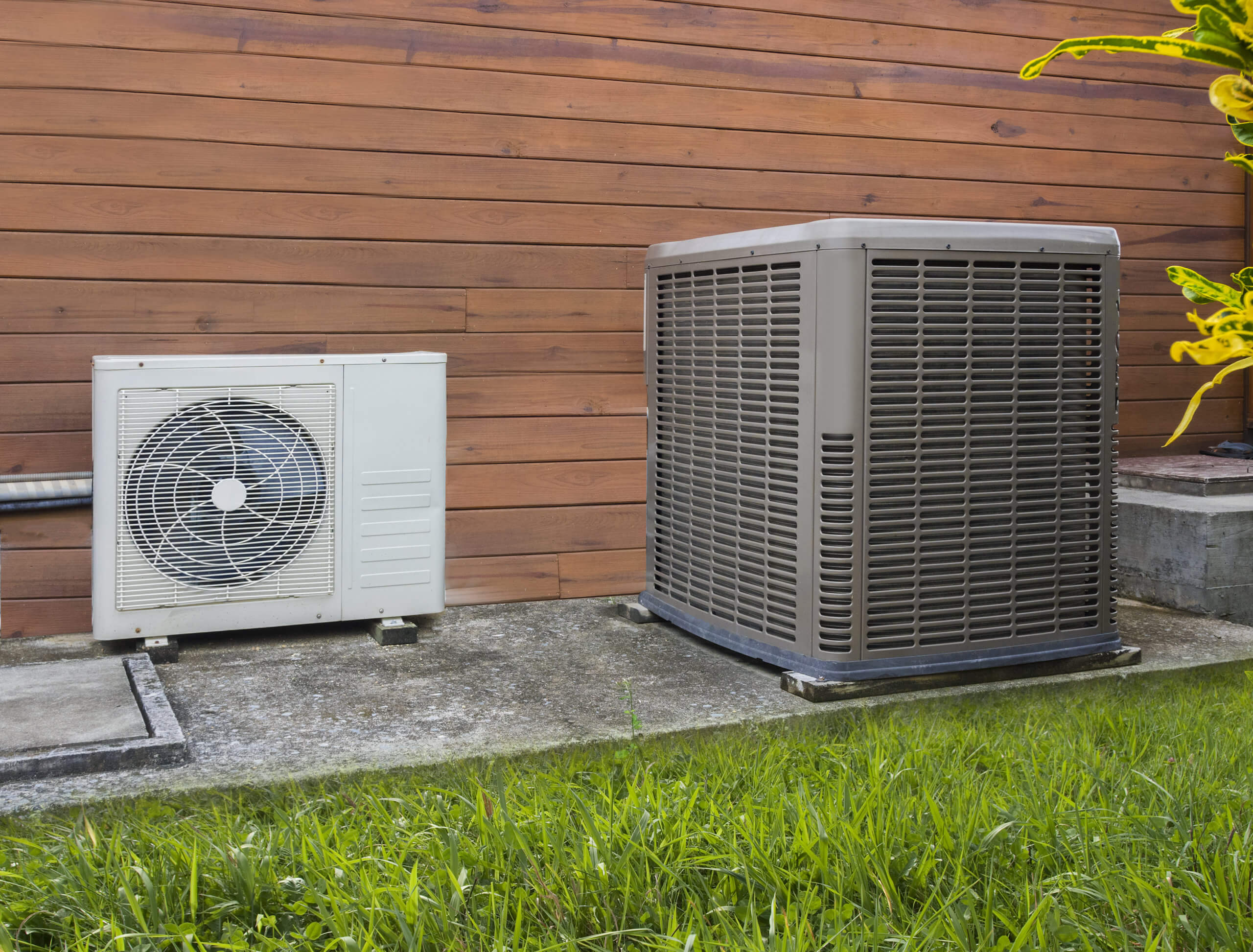
It’s one of the most persistent myths in residential HVAC: heat pumps don’t work when it gets really cold outside.
Ask any HVAC technician and they’ll tell you they still field this objection regularly. A homeowner in Minnesota or upstate New York hears “heat pump” and immediately pictures a system gasping ineffectively while temperatures plunge in January, eventually giving up and leaving the family in the cold. It’s an image rooted in the early generation of heat pump technology from the 1980s and 1990s, when the concern was largely valid.
It is no longer valid. And in 2026, the gap between perception and reality has never been wider.
Modern cold-climate heat pumps represent one of the most significant engineering advances in home heating of the past decade. They heat homes reliably at temperatures well below zero, outperform gas furnaces in efficiency at virtually every outdoor temperature above -20°F, and have outsold gas furnaces in the United States for the second consecutive year. The question is no longer whether they work in the cold. The question is whether your specific home is set up to get the most out of one.
This article explains the technology, the numbers, and the practical decisions homeowners in cold climates need to make.
How a Heat Pump Actually Works — and Why Cold Air Isn’t the Problem You Think
The confusion about cold-weather performance starts with a fundamental misunderstanding of what a heat pump does.
A furnace — whether gas, oil, or propane — creates heat through combustion. A heat pump does not create heat. It moves heat that already exists. Specifically, it extracts heat energy from outdoor air and transfers it inside your home.
The immediate objection: “But if it’s 10°F outside, there’s no heat in the air to extract.”
This is incorrect. Temperature and heat content are not the same thing. Even at 10°F, outdoor air contains substantial thermal energy — enough for a modern heat pump to extract efficiently. Air only approaches zero usable heat content at absolute zero, which is approximately -459°F. No American winter gets close to that.
The practical result is that heat pumps can extract usable heat from outdoor air at temperatures far below what most homeowners assume. Modern cold-climate models are certified to operate efficiently down to -15°F. The Department of Energy’s Cold Climate Heat Pump Challenge tested systems at 23 sites across 10 U.S. states and two Canadian provinces, with units operating reliably at temperatures as low as -15°F while meeting full efficiency requirements.
By moving heat rather than generating it through combustion, heat pumps deliver more thermal energy to your home than the electricity they consume. A gas furnace, even a high-efficiency model, converts fuel to heat at roughly 95 to 98 percent efficiency — meaning 2 to 5 percent of the fuel is wasted. A heat pump, by contrast, can deliver two to three units of heat energy for every unit of electricity it consumes. At 5°F, a quality cold-climate heat pump operates at a Coefficient of Performance (COP) of 2.2 to 2.8 — meaning it’s still delivering well over twice as much heat as the electricity it uses, even at freezing temperatures.
The Technology That Made Cold-Climate Performance Possible
Two specific technological developments transformed cold-climate heat pump performance over the past decade.
Variable-speed inverter compressors. The most important advance. Traditional single-speed heat pumps operated the same way as an old light switch — fully on or fully off. When the outdoor temperature dropped and the system needed to work harder, it couldn’t; it was already running at 100 percent. When conditions didn’t require full capacity, it still ran at full capacity or cycled off entirely, creating the familiar temperature swings and inefficiency that gave early heat pumps a poor reputation.
Inverter-driven variable-speed compressors changed this fundamentally. Think of them as the difference between a car with only two settings — parked and full throttle — versus a car with full throttle control across the entire speed range. A variable-speed heat pump can run at 30 percent capacity on a mild autumn day and ramp to 120 percent capacity during a polar vortex event, modulating continuously to match the precise heating demand of the home at every outdoor temperature. This means steady, even heat rather than the on-off cycling of older systems, and dramatically improved efficiency across the full range of operating conditions.
Enhanced Vapor Injection (EVI). This technology provides a performance boost specifically engineered for sub-freezing conditions. When outdoor temperatures drop extremely low, the standard refrigerant cycle can struggle — the refrigerant may get too hot, or pressure may drop to the point where the compressor can’t work effectively. EVI addresses this by injecting a small amount of additional refrigerant vapor directly into the compressor during operation, effectively cooling the compressor and boosting its capacity to extract heat from very cold air. The result is a system that doesn’t just survive extreme cold — it maintains high heating output through it. Modern cold-climate units using EVI technology maintain 100 percent heating capacity at 5°F and continue operating down to -13°F or below.
Combined, these two technologies produce systems that perform fundamentally differently from the heat pumps of even a decade ago. Many models now certified to the ENERGY STAR Cold Climate specification can heat as effectively at 5°F as they can at a mild 47°F — the temperature at which standard heat pump performance is typically rated.
What the Numbers Look Like Across Different Heating Fuels
The financial case for cold-climate heat pumps varies significantly depending on what fuel source a homeowner is replacing. The savings potential is highest when replacing oil, propane, and electric resistance heating — and meaningful but less dramatic when replacing natural gas.
According to data from the National Renewable Energy Laboratory, switching to a heat pump reduces annual heating and cooling costs anywhere from $100 to $1,300 per year, with the average savings running approximately $667 annually across all fuel types. For specific scenarios:
Replacing electric resistance heat (baseboard heaters): Heat pumps typically deliver two to three times as much heat per unit of electricity as resistance heating. For a homeowner spending $2,400 a year on baseboard electric heat, a heat pump could plausibly reduce that to $800 to $1,200 — savings of $1,200 to $1,600 annually.
Replacing oil or propane: Fuel oil and propane prices are volatile and have trended significantly higher over the past several years. Heat pumps offer both lower average costs and insulation against future fuel price spikes. Savings of $500 to $1,300 annually are realistic for oil and propane users making the switch.
Replacing natural gas: The economics are tighter, particularly in regions where natural gas prices are low. Heat pumps can still deliver savings, but the payback period is longer. In regions with high electricity prices and low gas costs, a hybrid dual-fuel system — which pairs a heat pump with an existing gas furnace for backup on the coldest days — often makes more financial sense than a full gas-to-electric replacement.
Installation costs vary considerably. The National Renewable Energy Laboratory reports average installation costs for ducted cold-climate systems ranging from roughly $9,000 for minimum-efficiency units to $24,000 for high-efficiency cold-climate models. Federal tax credits of up to $2,000 under the Inflation Reduction Act’s Energy Efficient Home Improvement Credit currently apply to qualifying heat pump installations, meaningfully reducing the net cost.
Typical payback periods in 2026 range from two to five years for homeowners replacing high-cost fuels, and extend to five to ten years when replacing natural gas — though rising energy prices and declining equipment costs continue to improve these figures annually.
The Hybrid Option: A Smart Middle Ground
Not every cold-climate homeowner needs — or should buy — an all-electric heat pump system. For households with a functioning gas or propane furnace, a dual-fuel hybrid system represents a financially compelling alternative.
A dual-fuel system pairs a heat pump (typically a smaller, less expensive model than a full heating replacement would require) with your existing furnace. The heat pump handles all heating duties down to a set outdoor temperature — called the “balance point” — at which point the furnace takes over for the coldest hours. The balance point is programmed based on two factors: the outdoor temperature at which the heat pump becomes less efficient than the furnace, and your local electricity-to-gas cost ratio.
The economic logic is elegant. Heat pumps are dramatically more efficient than furnaces at mild and moderately cold temperatures — the conditions that represent most heating hours in a cold climate. Gas furnaces are marginally more cost-effective at the extreme low end on a cold-per-BTU basis in most markets. A hybrid system captures the best of both worlds: heat pump efficiency for the majority of heating hours, furnace reliability for the coldest extremes.
For homeowners who aren’t ready to eliminate gas entirely — whether for cost reasons, comfort reasons, or because their electrical panel would need a costly upgrade to support an all-electric system — the dual-fuel hybrid is often the right answer.
What to Look For When Buying
If you’re evaluating cold-climate heat pumps, a few specifications matter more than brand name.
ENERGY STAR Cold Climate certification. This is a standardized performance designation. To carry it, a unit must deliver a COP of at least 1.75 at -15°C (5°F). That may not sound like much, but it represents significantly better performance than standard heat pumps at that temperature — and it’s the benchmark that separates genuine cold-climate equipment from standard models being marketed as suitable for cold weather.
HSPF2 rating of 9 or higher. The Heating Seasonal Performance Factor 2 (HSPF2) measures overall heating efficiency across a full season. A rating of 9 or above indicates high efficiency and is the current benchmark for high-performance equipment.
Capacity retention at 5°F. Look for models that maintain at least 70 percent of their rated heating capacity at 5°F. Better models maintain 100 percent. This specification tells you how the system actually performs under the conditions you’re likely to experience, not just at the mild temperatures used for standard efficiency ratings.
Operational range. Quality cold-climate units operate down to -15°F or below. Models that list a minimum operational temperature of 5°F or 0°F are not cold-climate units in any meaningful sense, regardless of how they’re marketed.
Installation quality. Consumer Reports notes that “if you are only searching for the cheapest possible install, don’t get a heat pump.” Heat pump performance is heavily dependent on correct sizing, proper refrigerant charging, and appropriate balance-point configuration for your climate. An improperly installed system — even a technically excellent one — will underperform. Seek out contractors with specific cold-climate heat pump experience, current A2L certifications, and a willingness to perform proper load calculations for your home rather than rough estimates.
The Larger Shift
The numbers on adoption tell their own story. Heat pumps outsold gas furnaces in the United States in both 2024 and again in 2025. The global heat pump market is on a trajectory toward $95 billion in revenue in 2026, with residential applications driving the majority of that growth. Consumer satisfaction data from heat pump owners during extreme cold events — at 85 percent — now exceeds satisfaction among gas furnace owners.
The technology that delivers those outcomes isn’t the same technology that gave heat pumps a bad reputation thirty years ago. Modern cold-climate heat pumps are variable-speed, vapor-injecting, AI-thermostat-compatible systems that maintain heating output in conditions that would have stumped their predecessors entirely.
Whether a heat pump is right for your specific home depends on your climate, existing infrastructure, fuel costs, and heating load. Those are real variables that deserve a serious conversation with a qualified HVAC professional. But the question of whether heat pumps work in winter, in cold climates, in real American weather — that question has been definitively answered.
They do.
To find certified cold-climate heat pump models, consult the Northeast Energy Efficiency Partnerships (NEEP) database at neep.org. Contact a certified HVAC contractor for a load calculation and system recommendation specific to your home and climate.